How can a “vector pull” be helpful for climbers?

In Anchors 101, you may remember a diagram that looks something like this:
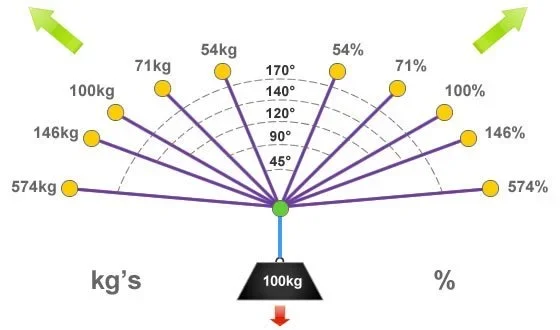
If you have a close-to-horizontally tensioned rope, and you add a load that's perpendicular to the anchor points, it greatly increases the force on the anchors.
According to this diagram, by more than 500%. Think of a circus tightrope; those anchors need to be super strong!
Normally, we really want avoid this situation in climbing. But there are a few rare cases when putting this kind of sideways tension onto a loaded rope might be helpful.
While it’s long been a #CraftyRopeTrick in river rescue, it's seldom known in climbing circles.
It’s called a vector pull. How might this be helpful for climbers?
Imagine your struggling second below you, unable to quite reach that next hold. If you, the leader above, lock off the belay device, and reach down and pull hard (up or down) on the loaded rope (and take in slack) it gives your partner a small boost. This may be enough to help them get past that hard move. Repeat as needed.
You're certainly not going to do any real hauling with this method; it's more for assisting your partner for a short move or two.
Check out this Instagram video from Smile Mountain Guides @smilemountainguides for a demonstration.
Here's a video showing the vector pull applied to river rescue.
Basic idea: get a rope from your boat to an onshore anchor, tension the rope, then pull sideways on that tensioned line. Hopefully that's enough to get your boat unstuck, before you resort to more complicated mechanical advantage hauling systems.